



Saving the Debenhams Archive
IPA Insolvency Practitioner newsletter, June 2026
By Philippa Turner and Richard Wiltshire, members of the Crisis Management Team for Business Archives
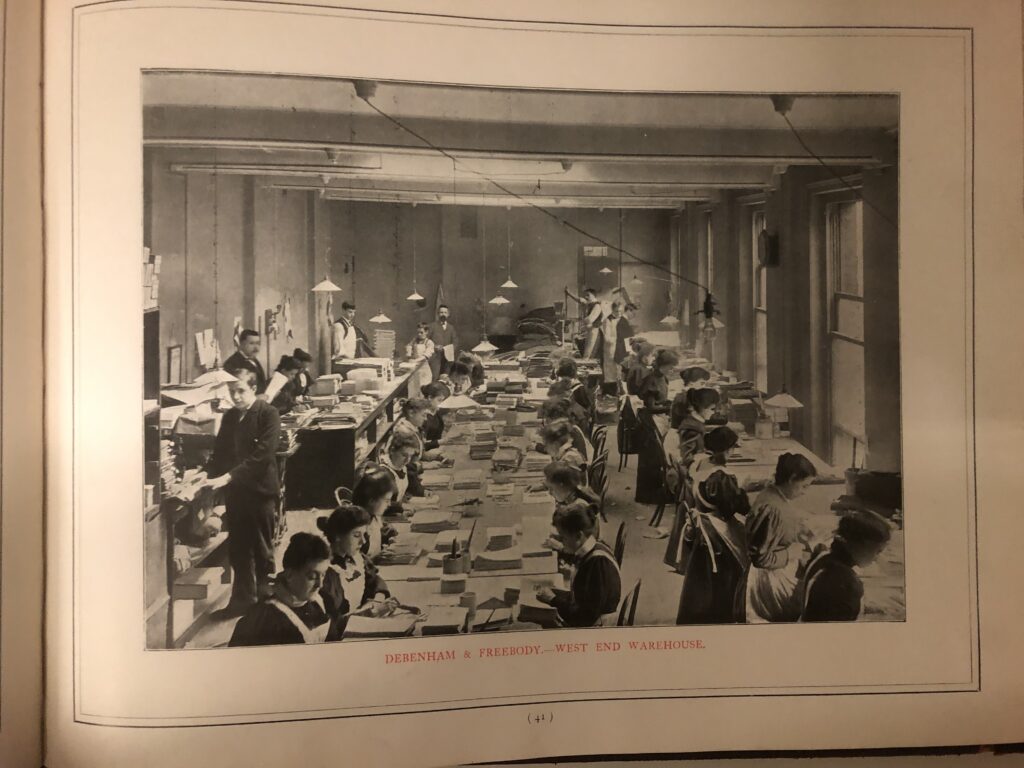
When department store chain Debenhams went into administration in 2020, the Crisis Management Team (CMT) for Business Archives moved quickly to safeguard its archives – an unparalleled record of more than 200 years of retail history.
The CMT is a team of archivists and historians that works with insolvency practitioners to save the archives of businesses and find them a new home in cases of administration, liquidation or closure. Professional advice is given at no cost with the aim to preserve records at risk for the greater long-term community benefit. Previous success stories include saving the archives of familiar brands like Thomas Cook and Quaker Oats, both of which are now housed at local archive services where they are available for the public to access for research purposes.
Acting Quickly
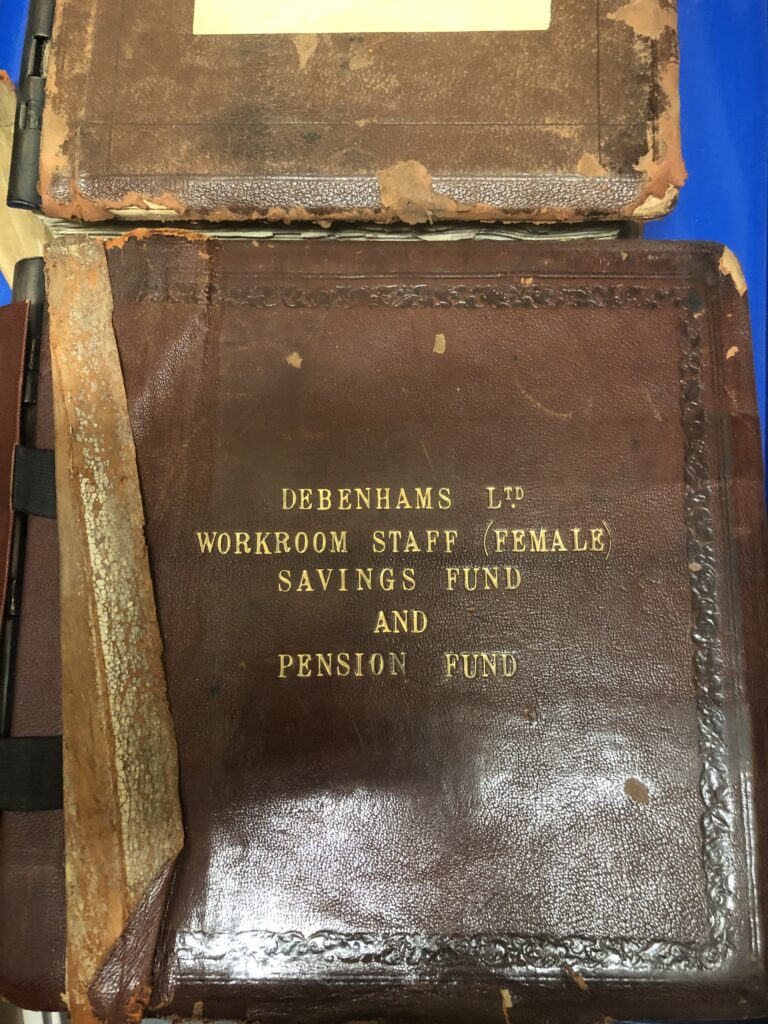
Archives are collections of records with historical and evidential value that form a permanent record of the work of a business, organisation, community or individual. Archives are often paper in format, but more recent records will be digital in format. Business archives usually include key corporate documents such as board minutes and financial records, but also more unusual records – product design files, examples of advertising, and staff photographs and magazines are all in scope and help ‘tell the story’ of a business. Records containing personal data can be retained under UK GDPR as part of the ‘archiving in the public interest’ derogation.
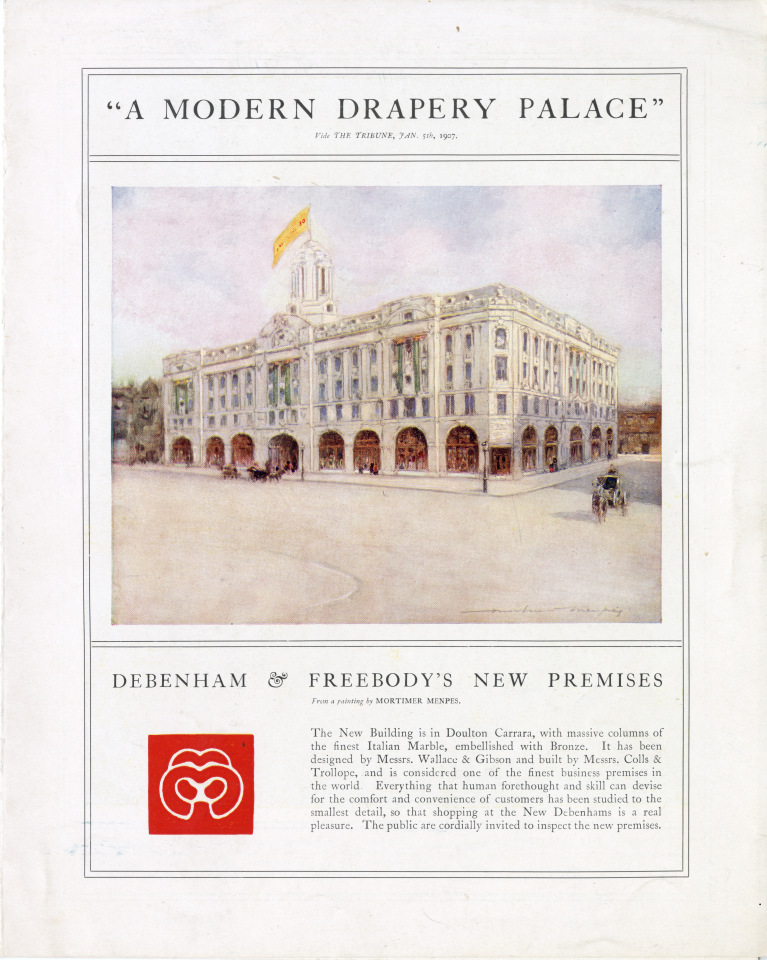
To save the Debenhams collection, the CMT first alerted the administrators, Geoff Rowley and Alastair Massey of FRP Advisory, and their agents at Hilco, to the importance of the Debenhams archive and offered to work with them to find it a permanent home. Thankfully, the administrators understood the CMT’s concerns and engaged with the team. The CMT then shared their prior knowledge of key archival material held at Debenhams’ Head Office in London, helping to ensure these corporate records were ringfenced during the process of decanting and selling the site. The CMT also knew that many records of local historical importance would still be at stores and other offices around the country. For example, some Debenhams stores had occupied the same grand building for a century or more, so architectural records, and business records relating to that store, would still be present on site. Working with the administrators, the CMT sent a call-out to remaining staff to preserve these records. It was clear that some local branches had already deposited records at their nearest local authority archive service, and that some branches still had archives and welcomed advice on what to do with them.
Finding a Permanent Home
The archives from Head Office and those remaining at branches were centralised at Debenhams’ offices in Taunton, Somerset. The administrators granted the CMT access to the site to survey the records. Surveying is a crucial process to record information on the types of records present, the quantity of records, and their condition. These details can then be relayed to archive services which may have an interest in taking the collection permanently. It allows them to assess whether it is a collection that fits in with their wider collecting policy, whether they have the space to store it appropriately, and whether any work needs to be carried out before storage to improve the condition of the collection. For example, it is especially important that archives are free from mould and pests before they are taken into an archive service’s stores, so that the collection does not damage any other collections. Archives also usually need to be repackaged into archival-standard boxes and other protective material.
After temporary transfer to the archive service at South West Heritage Trust nearby the Taunton office in Somerset, the Debenhams collection moved to its new, permanent home at City of Westminster Archives in 2025. This service had an interest in taking the collection because the original shop, founded in 1778, was in the City of Westminster. A deed of gift was drawn up and signed by the administrators to transfer ownership to the City of Westminster Archives. Similar agreements were signed for records from local stores deposited with other archive services.
The Collection and its Future
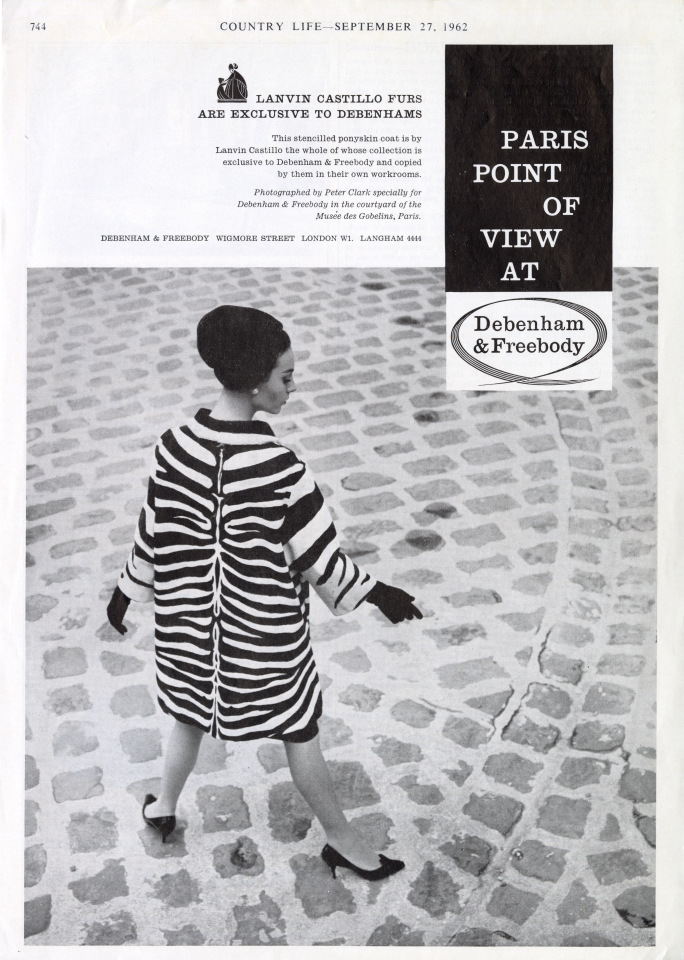
At its peak Debenhams had department stores in 178 locations worldwide. The business archive reflects its humble origins and its later world-wide fame. It includes early company diaries, a range of advertisements, store photographs, staff records, and even examples of staff uniforms and own-brand products. City of Westminster Archives Centre is now working towards cataloguing the collection so it can be accessible to researchers, and it is in dialogue with Boohoo, the current owners of the Debenhams brand and website.
Saving the Debenhams collection would not have been possible without the co-operation of the administrators at FRP Advisory. Their appreciation of the historical importance of the records, and willingness to engage with the CMT, is a model for future working between the heritage and insolvency professions. Safeguarding the archive of a business – the records that tell the story of its evolution, and the people who worked for it – can be a positive story in an otherwise challenging situation.
‘Household brands like Debenhams are an important part of our cultural and economic history, so we’re happy to have played a part in preserving this historic material. We hope it will offer lasting value to researchers, historians and the wider public.’
The Administrators at FRP Advisory
What can you do?
Insolvency practitioners can
- Get in touch with the CMT or for small/local businesses a local archive service early on before records are moved
- Offer visits to CMT or archive staff to view records
- Share lists of records collected by insolvency practitioners
- Gift the records selected by the CMT and/or archive service to the archive service
Benefits:
- Meet ethical requirements of an insolvency, especially in relation to historic businesses
- A good news story for communities and former employees in difficult cases
Safeguarding History for Future Generations
For practical information, read the CMT’s How insolvency practitioners can rescue archives guidance.
Get in touch with the CMT for more help with archives you find.